Market Briefing
Fav
Daily Pulse
Weekly Pulse
IBKR
Sentiment
Misc
Daily Forex Pulse
FX OVERVIEW
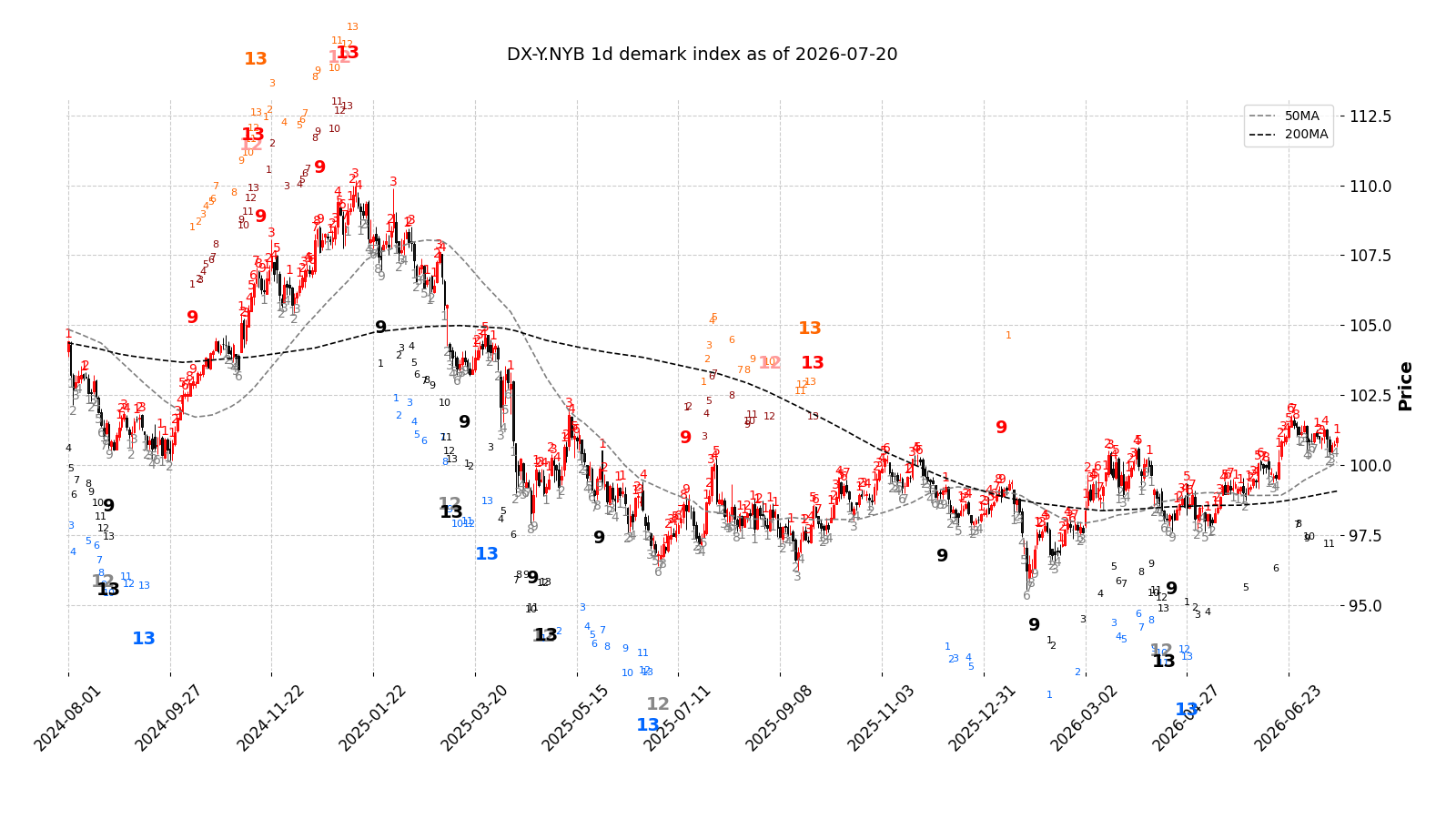
Eurozone political and fiscal risk dominated FX, with France’s bond spread over Germany above 150 bps and unrest weighing on the euro. Elevated geopolitical risk and oil near $110 a barrel added to risk aversion, while delayed expectations for Fed rate cuts supported the dollar.
MAJOR PAIRS
EURUSD — The pair fell to around 1.1215 as French fiscal stress and political unrest drove demand away from the euro; a resilient dollar added pressure. The bias remains bearish below key moving averages, with 1.1100—the lower Bollinger band—flagged as critical support.
CENTRAL BANK WATCH
- ECB President Christine Lagarde stressed that France must address its problems domestically, offering no immediate support to the euro amid rising sovereign-risk concerns.
- The Fed remains cautious and data-dependent. Markets see an 83.9% probability of a rate hold and have pushed back expectations for rate cuts, supporting the dollar. No rate decision was reported today.
MACRO DRIVERS
- French sovereign risk: The French-German 10-year yield spread exceeded 150 bps, its highest level since 2011, raising concerns about wider eurozone fragmentation.
- Geopolitical risk and energy: Middle East and Ukraine-related supply threats lifted Brent to $110 a barrel, adding inflation risk and reinforcing demand for defensive assets.
- Risk aversion: The VIX reached a four-month high, while investors favored the dollar over the euro amid political and market uncertainty.
POSITIONING IDEAS
- Bearish: EURUSD — French fiscal and political stress is undermining the euro, while delayed Fed easing expectations support the dollar. A break below 1.1100 could invite further technical selling.
This content is for informational purposes only and does not constitute financial, investment, or trading advice. Always consult a qualified financial professional before making any investment decisions.
Daily Forex Pulse
FX OVERVIEW
Geopolitical risk and the oil shock dominated the FX backdrop: attacks on shipping near the Strait of Hormuz and strikes on Russian energy infrastructure pushed Brent to $110/bbl. The resulting risk aversion and higher energy costs favor the dollar over energy-importing currencies, particularly the euro; no FX technical levels were cited.
MAJOR PAIRS
EURUSD — Higher oil prices increase the terms-of-trade burden on Europe, while escalating geopolitical risk supports demand for the dollar. The news flow tilts EURUSD lower.
MACRO DRIVERS
- Energy risk premium: Hormuz shipping attacks and strikes on Russian refineries are driving oil higher and raising the risk of further supply disruption.
- Risk sentiment: Uncertainty around sanctions policy and deteriorating Western alliances adds to demand for defensive dollar exposure.
- Trade and energy costs: Sustained oil strength would weigh more heavily on energy-importing economies such as the euro area.
POSITIONING IDEAS
- Bearish: EURUSD — Higher oil prices worsen Europe’s external energy-cost outlook, while geopolitical uncertainty supports the dollar.
This content is for informational purposes only and does not constitute financial, investment, or trading advice. Always consult a qualified financial professional before making any investment decisions.
Daily Forex Pulse
FX OVERVIEW
The US dollar is broadly supported by resilient US data and expectations of further Fed tightening, while European vulnerabilities and fading Australian rate-hike expectations weigh on their currencies. Geopolitical energy risks—with oil above $100 a barrel—add a risk premium, though risk-on sentiment has supported selected crosses such as GBPJPY.
MAJOR PAIRS
EURUSD — The pair remains under pressure from the dollar’s rate advantage and the eurozone’s weak external position, including an August trade deficit of €16.1bn. The bearish technical picture remains intact below major moving averages; 1.1340–1.1350 is a consolidation zone, while forecasts cited in the news point to 1.10 by year-end and 1.08 in early 2027.
EURGBP — Stronger UK GDP, including a fourth consecutive month of outperformance in August, has strengthened expectations that the BoE has room to tighten further; EURGBP has fallen to a one-year low. The UK budget is the key risk to that sterling-positive view, particularly the proposed bank surcharge increase.
AUDUSD — Risk-on sentiment and lower US Treasury yields have supported short-term gains, but weak Australian labour data and fading RBA hike expectations leave the pair vulnerable. The technical bias is bearish, with 0.6865 identified as a downside test.
EURJPY — Capital outflows into Japanese equities are weighing on the yen, despite hawkish BoJ rhetoric. The supplied technical read, however, flags a break below 175.65 as a downside signal for EURJPY, with 172.27 next; that level is the key inflection given the conflicting fundamental and technical signals.
GBPJPY — A wider rate differential and risk-on sentiment have lifted the cross to its highest level since late September. Resistance at 211.66–213.54 caps the near-term rally; absent a breakout supported by UK data or BoE signals, the cited downside levels are 209.19 and 206.89.
USDINR — The pair reversed nearly 2% to 95.00 after RBI restrictions limited derivatives to hedging, curbing speculative pressure on the rupee. The move supports near-term rupee strength, with export growth and a manageable current-account deficit also cited as supportive.
CENTRAL BANK WATCH
- ECB: Eurozone CPI is expected to confirm inflation at 3.8%, well above target, and markets price nearly 75bp of further tightening. The ECB’s hawkish forecasts support the euro at the margin, but commentary suggests only one further hike may be warranted, with French bond-market conditions a key constraint.
- Bank of England: Strong UK GDP has given the BoE more room to consider further tightening. The upcoming budget—and the proposed bank surcharge increase—poses a fiscal and confidence risk to sterling.
- Federal Reserve: Markets retain expectations of a December hike, supporting the dollar. Dovish comments from Warsh and lower Treasury yields have provided temporary relief to risk-sensitive currencies.
- Bank of Japan: Hawkish rhetoric has not offset the yen pressure from reported capital outflows into Japanese equities.
MACRO DRIVERS
- Energy and geopolitics: Oil above $100 a barrel, amid attacks on shipping and energy infrastructure, raises the risk of an inflationary supply shock and adds to market volatility.
- Rate divergence: Fed tightening expectations and resilient US data contrast with fading RBA hike expectations and uncertainty over the ECB’s remaining tightening capacity.
- European fragility: The €16.1bn trade deficit and French fiscal and bond-market risks weigh on confidence in the euro, despite above-target inflation.
- Capital flows and regulation: Japanese equity inflows are pressuring the yen, while RBI derivatives restrictions have reversed speculative pressure on the rupee.
POSITIONING IDEAS
-
Bullish
- GBP vs EUR (short EURGBP): UK GDP resilience and scope for further BoE tightening have driven EURGBP to a one-year low.
- INR vs USD (short USDINR): RBI restrictions on speculative derivatives activity triggered a sharp rupee rebound, supported by export growth and a manageable current-account deficit.
-
Bearish
- EURUSD: The dollar’s rate advantage and eurozone external and fiscal vulnerabilities support a lower bias.
- AUDUSD: Weak Australian labour data and reduced RBA hike expectations leave the pair exposed despite short-term risk-on support.
This content is for informational purposes only and does not constitute financial, investment, or trading advice. Always consult a qualified financial professional before making any investment decisions.
Daily Forex Pulse
FX OVERVIEW
Policy divergence is the main FX driver, with a cautious BoJ and hawkish signals from the RBA and BoE supporting their currencies, while markets await US inflation data and Fed guidance. The dollar’s direction is mixed: softer ahead of CPI in some pairs, but underpinned elsewhere by hawkish Fed expectations; Middle East tensions and oil above $106 add an inflation and risk-premium channel.
MAJOR PAIRS
AUDUSD — The pair rose 0.3% toward 0.7010 as the RBA’s September minutes kept the prospect of another hike alive and the dollar softened ahead of US CPI. The 20-day EMA at 0.7011 is immediate resistance; support is 0.6987, with a break exposing 0.6904. Housing-market weakness remains a risk to the AUD rally.
GBPUSD — Sterling extended gains to around 1.3275 on Bailey’s warnings about inflation and wages, alongside a pullback in US yields. Bias remains higher above 1.3222, with resistance at 1.3298 and then 1.3371; a break below 1.3181 would weaken the setup. The UK budget is a key fiscal risk.
USDJPY — BoJ reluctance to hike immediately and resilient US rate expectations leave the pair with an upside bias, though it is reported range-bound around 158.30–158.35. A move toward 159.00 depends on hot US inflation or hawkish Fed guidance; a dovish surprise could pull it toward 157.60.
EURJPY — Yen weakness on BoJ caution has lifted the cross toward 177.30. A break above 178.45 would open the way toward 180.00, although expectations of an ECB pause may limit euro support.
GBPJPY — The UK’s fiscal-discipline message and BoJ caution support the cross. Resistance at 210.20 is the near-term test; a breakout would put 211.28 in view.
EURGBP — The pair is under pressure as French fiscal uncertainty and expectations of an ECB pause weigh on the euro, while UK fiscal messaging supports sterling. Bias remains lower, absent a material improvement in euro-area fiscal confidence.
EURSEK — A 1.8% correction reflects euro overvaluation and French fiscal concerns, while a hawkish Riksbank supports the krona. ING’s one-month target is 11.15, consistent with further downside in EURSEK.
USDCHF — The pair rebounded from 0.8316 to around 0.8335 as hawkish Fed expectations and geopolitical tension supported the dollar. A hold above 0.8316 keeps 0.8350 in focus; US inflation data and Fed commentary are the main catalysts.
USDCAD — The pair remains in an ascending channel near 1.4200, supported by hawkish Fed commentary and persistent inflation concerns. A break above 1.4298 would strengthen the upside case toward 1.4410; support sits near 1.4130.
USDCNH — UOB sees a bearish short-to-medium-term bias as Fed-policy divergence fades and China’s monetary stance remains supportive. A break below 6.6900 would expose 6.6800.
USDCNY — The PBOC set the central rate at 6.7249, above the 6.6922 consensus, signaling active management but not a clear near-term push for yuan appreciation. The fixing keeps policy intervention risk in focus.
USDKRW — Equity outflows and weakness in Korean semiconductor shares are increasing demand for won protection. The near-term bias is higher in USDKRW while foreign selling and sector concerns persist.
USDSGD — The MAS left its NEER band unchanged, reducing the near-term prospect of policy-driven SGD appreciation. The pair’s policy signal is broadly neutral unless inflation reaccelerates and prompts future tightening.
CENTRAL BANK WATCH
- RBA: September minutes kept further tightening on the table if inflation stays elevated; housing weakness remains a constraint.
- BoJ: Policymakers are reluctant to deliver a back-to-back hike. Markets assign about a 10% chance of a near-term move and 88% by December.
- ECB: The outlook has shifted toward a pause and an end to hikes by year-end. Lagarde rejected fiscal backstops for France, leaving sovereign-risk concerns unresolved.
- BoE: Bailey highlighted wage and inflation pressures, reinforcing expectations of a possible 25bp hike.
- Fed: Collins’ remarks were hawkish, while upcoming US inflation releases and Chair Warsh’s speech could shift rate expectations.
- PBOC and MAS: The PBOC’s above-consensus fixing signals close management of the yuan; the MAS held its NEER band unchanged.
- Riksbank: Its hawkish stance is supporting the krona against the euro.
MACRO DRIVERS
- Middle East risk is lifting energy prices: Brent above $106 raises inflation concerns and could complicate the outlook for rate cuts.
- China’s export surge is not matched by domestic demand: September exports rose 36.3% year on year and the trade surplus reached $133.5bn, sharpening trade-fragmentation risks.
- European fiscal concerns are weighing on the euro: France’s political and fiscal uncertainty is increasing sovereign-risk concerns as the ECB rules out a fiscal rescue.
- Korean equity outflows are feeding currency pressure: semiconductor-sector weakness and foreign selling are reinforcing downside risks for the won.
POSITIONING IDEAS
-
Bullish
- AUDUSD — RBA minutes preserve the prospect of another hike; watch for a sustained break above 0.7011.
- GBPUSD — BoE inflation concerns and near-term dollar softness support sterling above 1.3222.
- EURJPY — BoJ caution leaves the yen vulnerable; 178.45 is the breakout trigger.
- USDJPY — BoJ inaction and Fed rate expectations favor upside, subject to US inflation data.
- USDKRW — Foreign equity outflows and semiconductor-sector weakness weigh on the won.
-
Bearish
- EURGBP — French fiscal uncertainty and ECB easing expectations contrast with more supportive UK fiscal messaging.
- EURSEK — Riksbank hawkishness and euro-area fiscal concerns favor the krona.
- USDCNH — A break below 6.6900 would confirm the bearish setup toward 6.6800.
This content is for informational purposes only and does not constitute financial, investment, or trading advice. Always consult a qualified financial professional before making any investment decisions.
Daily Forex Pulse
FX OVERVIEW
The dollar remained supported ahead of US CPI, with the data seen as pivotal for Fed rate expectations; risk from Middle East and Ukraine tensions added to safe-haven demand. Euro weakness had an additional, more local driver: rising concern over French fiscal stability, while sterling drew relative support from a more hawkish Bank of England outlook.
MAJOR PAIRS
EURUSD — The pair traded near 1.1200 as widening French OAT-Bund spreads—approaching 137bp—and geopolitical risk weighed on the euro, while markets looked to US CPI for the next signal on Fed policy. The technical bias remains bearish below the 1.1330 20-day EMA; a break under 1.1160 would expose further downside, while 1.1255–1.1265 is resistance.
EURGBP — Sterling outperformed the euro as French fiscal and political concerns weighed on the single currency, with EUR/GBP reported near 0.8447, its weakest level in 16 months. The news flow favors further euro underperformance relative to sterling.
GBPUSD — BoE rate-hike expectations and improved UK growth sentiment supported sterling, but the pair’s recovery near 1.3240 remained capped by UK fiscal uncertainty and resistance around 1.3280. A break below 1.3180 would strengthen the downside case; a sustained move higher needs to clear resistance.
AUDUSD — The pair failed to hold gains near 0.6970 as a firmer dollar ahead of US CPI combined with weak Australian momentum. It remains below the 0.7015 20-day EMA, with bearish momentum and Australian employment data the next domestic catalyst.
USDCHF — The pair rose toward 0.8333 as dollar strength and the SNB’s stated lack of need for policy adjustment weighed on the franc. Momentum favors further gains toward 0.8383 resistance, though geopolitical escalation could revive CHF safe-haven demand.
USDJPY — The pair held near 158.36, supported by the BoJ’s cautious stance and expectations that US CPI could reinforce Fed rate bets. A break above 159.04 would extend the bullish move; 157.66 is the key near-term support.
USDCAD — The pair traded around 1.4250 within a 1.4200–1.4300 range, with softer US sentiment weighing on the dollar while weak Canadian employment limited CAD support. A break below 1.4200 would open 1.4155–1.4100; US CPI and PPI remain the main catalysts.
USDCNY — The PBOC set its central rate at 6.7313, slightly stronger than Friday’s 6.7330 but weaker than the Reuters consensus of 6.6977. The fixing signals continued management of the yuan and argues against reading the move as an unrestricted directional shift.
CENTRAL BANK WATCH
- Federal Reserve: US CPI was the key pending test for rate expectations. Cleveland Fed President Beth Hammack argued for higher rates, while markets still largely expected no hike this month.
- Bank of England: A hawkish shift in rate expectations, including forecasts for hikes in November and February, supported sterling.
- Swiss National Bank: The SNB said no policy adjustment was needed despite persistent inflation, reinforcing the dovish signal for the franc.
- Bank of Japan: The BoJ’s cautious approach, with analysts seeing little prospect of back-to-back hikes, continued to weigh on the yen.
- European Central Bank: Markets remained aligned with a possible 25bp December hike amid elevated inflation, but French fiscal risk constrained the euro’s response.
- People’s Bank of China: The central fixing indicated ongoing management of yuan volatility rather than a clear move toward a freely weaker currency.
MACRO DRIVERS
- US inflation and rate expectations: CPI and PPI were the main near-term catalysts for the dollar and rate-sensitive pairs.
- Eurozone sovereign risk: French fiscal uncertainty widened the OAT-Bund spread toward 137bp and added pressure to the euro.
- Geopolitical risk and energy: Middle East shipping tensions and renewed Ukraine uncertainty supported safe-haven demand and raised the risk of oil-price volatility.
- Policy divergence: A more hawkish BoE outlook contrasted with the cautious BoJ and dovish SNB signals, supporting sterling against the yen and franc weakness against the dollar.
POSITIONING IDEAS
-
Bullish
- Short EURUSD: French fiscal risk and geopolitical uncertainty weigh on the euro; the pair remains below key moving-average resistance.
- Short EURGBP: Sterling’s relative support from BoE tightening expectations contrasts with eurozone fiscal concerns.
- Long USDCHF: The SNB’s dovish signal and firm dollar favor further upside, with 0.8383 the next notable resistance.
-
Bearish
- Short AUDUSD: Dollar support ahead of CPI and weak Australian momentum leave the pair below 0.7015 with downside momentum.
This content is for informational purposes only and does not constitute financial, investment, or trading advice. Always consult a qualified financial professional before making any investment decisions.
Daily Forex Pulse
FX OVERVIEW
Geopolitical risk is the main FX-relevant theme, with escalation around the Strait of Hormuz lifting marine war-risk premiums and freight costs, while uncertainty over U.S. support for Ukraine adds to the risk of energy-market and alliance disruption. China’s semiconductor expansion points to longer-term supply-chain shifts, but the supplied news contains no rate, data or spot-market catalyst to establish a clear currency direction today.
MAJOR PAIRS
No major pair had a substantive, pair-specific catalyst in the supplied news. There is not enough evidence to assign a defensible spot bias or identify a key technical level.
MACRO DRIVERS
- Energy and shipping risk: Hormuz tensions are raising war-risk premiums and freight costs, increasing the potential for energy-price volatility and uneven effects across importing and exporting economies.
- U.S. policy uncertainty: Trump’s comments on Ukraine and Russian energy interests could unsettle confidence in Western alignment; the FX impact remains uncertain without a clear market or policy response.
- Supply-chain realignment: Wider adoption of Chinese memory chips outside the U.S. signals a gradual shift in technology trade flows, but the news does not establish an immediate FX catalyst.
POSITIONING IDEAS
No bullish or bearish pair idea is supported by the supplied news alone. The geopolitical developments warrant monitoring, but no direct currency trigger or pair-level confirmation is provided.
This content is for informational purposes only and does not constitute financial, investment, or trading advice. Always consult a qualified financial professional before making any investment decisions.
Daily Forex Pulse
FX OVERVIEW
Euro weakness dominated the actionable news flow, as French fiscal stress raised the risk that the ECB pauses tightening before markets expect. Citi sees scope for a 50–75bp repricing of ECB rates relative to Fed rates, leaving EURUSD vulnerable to a move below 1.10.
MAJOR PAIRS
EURUSD — French fiscal and financial-stability concerns have weakened the euro outlook by increasing the chance of an early ECB pause; Citi argues current pricing of a December hike and further hikes in 2027 may be too hawkish. The key downside threshold is 1.10, which could break if ECB rate expectations reprice lower relative to the Fed.
CENTRAL BANK WATCH
Citi analysts warned that the ECB could pause its tightening cycle as early as December, or sooner if financial stress spreads, shifting its focus toward financial conditions. This is an analyst forecast, not a new ECB signal; a 50–75bp repricing of ECB expectations relative to the Fed is the potential market consequence.
MACRO DRIVERS
- French fiscal instability is increasing the eurozone risk premium and challenging expectations for further ECB tightening.
- The expected change in ECB–Fed rate differentials is the clearest FX transmission channel, with a potential repricing against the euro.
- EU steel import quotas may support European industrial producers, but the news provides no clear near-term currency catalyst.
POSITIONING IDEAS
- Bearish: EURUSD — French fiscal stress raises the risk of an earlier ECB pause and a 50–75bp downward repricing of ECB rates relative to the Fed; 1.10 is the key downside threshold.
This content is for informational purposes only and does not constitute financial, investment, or trading advice. Always consult a qualified financial professional before making any investment decisions.
Daily Forex Pulse
FX OVERVIEW
The dollar retained a broad advantage as policy divergence and weakness in key counterparts, particularly the euro, supported USD demand. The U.S. decision to rule out a strike on Iran before the midterms lifted risk appetite and pushed oil lower, creating a counterweight to dollar strength and supporting a short-term pullback in USDCHF.
MAJOR PAIRS
USDCAD — The pair is biased higher as the Fed’s hawkish stance contrasts with what the summary describes as implausible expectations for BoC hikes amid weak Canadian data and trade headwinds. 1.45 is the cited upside target and the key level to watch.
EURUSD — The pair remains biased lower: France’s fiscal and political risks, alongside a 140bp OAT-Bund spread, are weighing on the euro despite brief rebounds above 1.1200. ING flagged 1.110 as a potential test; the recent bounce was attributed to lower U.S. yields and oversold conditions rather than a change in fundamentals.
NZDUSD — The pair remains biased lower as the Fed–RBNZ policy divergence leaves the Kiwi vulnerable; the move back above 0.5600 was characterized as a limited rebound, not a confirmed breakout.
USDCHF — Near-term bias has turned lower after the dollar was rejected at 0.8345, with bearish RSI and MACD divergence pointing to a possible reversal. Improved risk appetite after the Iran de-escalation statement also supported the franc’s relative performance.
CENTRAL BANK WATCH
The day’s FX narrative remained centered on relative policy expectations rather than fresh rate decisions or central bank speeches. The reported Fed–BoC and Fed–RBNZ divergence favors the dollar, while SGD remains constrained within the MAS policy band.
MACRO DRIVERS
- Relative monetary policy expectations favor the dollar against CAD, NZD and EUR, with the reported policy gap particularly salient for USDCAD and NZDUSD.
- France’s fiscal and political uncertainty is adding pressure to the euro; the 140bp OAT-Bund spread highlights the country-specific risk premium.
- Trump’s statement ruling out military action against Iran before the midterms eased immediate geopolitical risk, lifting global equities and weighing on oil, though tensions around the Strait of Hormuz and Yemen remain.
- The resulting improvement in risk appetite offered a near-term counterweight to broad dollar strength, most visibly in USDCHF.
POSITIONING IDEAS
- Bullish
- USDCAD — Long bias on Fed–BoC policy divergence and weak Canadian fundamentals; 1.45 is the cited target.
- Bearish
- EURUSD — Short bias on French fiscal and political risk, with 1.110 flagged as a potential test.
- NZDUSD — Short bias on Fed–RBNZ divergence; the rebound above 0.5600 has not established a breakout.
- USDCHF — Short bias after rejection at 0.8345 and bearish momentum divergence.
This content is for informational purposes only and does not constitute financial, investment, or trading advice. Always consult a qualified financial professional before making any investment decisions.
Daily Forex Pulse
FX OVERVIEW
FX is being driven by US yield strength and broad risk aversion, with the 10-year Treasury yield near 5.3% and the dollar approaching its annual highs. Geopolitical escalation has lifted oil prices and inflation expectations, while eurozone and UK fiscal concerns are adding idiosyncratic pressure to EUR and GBP. The main exception is the yen, which remains weak as markets sharply reduce expectations for near-term BoJ tightening.
MAJOR PAIRS
EURUSD — French fiscal deterioration and surging OAT yields, with the 10-year yield above 4.96%, have become the dominant euro-negative catalyst. Combined with hawkish Fed expectations and US yields near 5.36%, the pair remains structurally bearish below 1.1265; a sustained break under 1.1195 would expose 1.1100–1.1060.
GBPUSD — Sterling remains under pressure despite an 81% market-implied probability of a November BoE hike, as the 30-year gilt yield reaches a 28-year high at 6.036% and raises concerns over UK fiscal sustainability. The pair is testing 1.3180 support; a recovery above 1.3285 is needed to challenge the bearish trend, while a failure at support would extend downside risk.
AUDUSD — Surging US yields, risk aversion and fading expectations for another RBA hike have pushed AUD/USD to 0.6950. The pair remains below its 20-period EMA at 0.7023 with RSI at 33.9; a break below 0.6904 would target 0.6865.
AUDJPY — The cross remains technically soft, but the fundamental balance is improving for the Australian dollar as BoJ tightening expectations collapse. With the probability of an October BoJ hike falling to 12% from 40%, the yen’s funding-currency status is weakening, creating a medium-term upside bias for AUDJPY despite current risk aversion.
NZDUSD — Renewed Houthi attacks on Saudi infrastructure have pushed Brent crude toward $102, reinforcing inflation and safe-haven dollar demand while exposing the Kiwi’s weak macro backdrop. 0.5580 is the key support; a break would target 0.5530, while only a recovery above 0.5630 would weaken the bearish setup.
USDCAD — The pair is consolidating around 1.4200 as elevated US yields support the dollar but higher oil prices provide meaningful CAD support. A break above 1.4300 would restore upside momentum, while a move below 1.4200 would open 1.4150; near-term bias is neutral-to-bearish while crude remains firm.
USDJPY — Widening US-Japan rate differentials continue to support the pair as the Fed remains hawkish and the BoJ signals a gradual, data-dependent path. USDJPY is holding above 157.54, with a break above 159.04 exposing fresh highs; the key risk to this view is renewed Japanese intervention.
USDCNY — The PBOC set the central rate modestly weaker at 6.7367 versus 6.7351, signaling greater tolerance for yuan depreciation amid weak domestic demand and persistent dollar strength. The move is not yet a breakout, but further fixing weakness would reinforce an upside bias in USDCNY and raise capital-outflow concerns.
USDSGD — The pair rebounded toward 1.2810 but lacks momentum and remains capped below 1.2835. Support at 1.2765 defines the range; a break below that level would negate the modest bullish bias and return the pair to a broader consolidation pattern.
CENTRAL BANK WATCH
- Federal Reserve: FOMC minutes showed strong support for another rate increase before year-end, with markets assigning an 86% probability to a December hike. Officials also flagged persistent inflation risks, including potential AI-related demand and productivity effects.
- Bank of Japan: Governor Ueda’s cautious tone and calls for gradual tightening have sharply reduced expectations for an October hike to 12% from 40%. This remains the principal driver of yen weakness.
- Reserve Bank of Australia: Markets now price only a 27% chance of another hike in November, weakening the Australian dollar against the US dollar despite the RBA’s still-elevated policy rate.
- Bank of England: November hike expectations remain high at 81%, but monetary-policy support is being overwhelmed by concerns over UK fiscal sustainability and the surge in long-end gilt yields.
- PBOC: The slightly weaker daily fixing indicates a cautious willingness to permit yuan depreciation while preserving broader exchange-rate stability.
MACRO DRIVERS
- US yield advantage: Treasury yields near 5.3% are widening rate differentials against Europe, Japan and the commodity currencies, sustaining broad dollar demand.
- Geopolitical risk and oil: Middle East escalation has pushed crude toward $102, raising inflation expectations, pressuring risk assets and reinforcing demand for the dollar.
- Eurozone fiscal contagion: France’s political gridlock, planned austerity and rising OAT yields are creating a euro-specific risk premium beyond the normal Fed-ECB divergence.
- Fiscal credibility: Elevated UK gilt yields and French bond yields show that sovereign risk is increasingly influencing G10 FX alongside central-bank policy.
POSITIONING IDEAS
Bullish
- USDJPY — Long bias on the Fed-BoJ policy divergence, with 157.54 as key support and 159.04 as the upside trigger.
- AUDJPY — Medium-term long bias as the BoJ’s reduced tightening probability weakens the yen’s funding-currency appeal.
- USDCNY — Gradual upside bias following the weaker PBOC fixing and signs of greater tolerance for yuan depreciation.
Bearish
- EURUSD — Short bias on French fiscal instability, elevated OAT yields and the widening US-EU yield gap; downside levels are 1.1100–1.1060.
- GBPUSD — Short bias while the pair remains below 1.3285, as UK fiscal concerns offset high BoE hike expectations.
- AUDUSD — Short bias below 0.7000, with 0.6904 and 0.6865 as the next downside thresholds.
- NZDUSD — Short bias below 0.5580 as oil-driven risk aversion and dollar strength pressure the Kiwi.
- USDCAD — Tactical short bias below 1.4200 if oil strength persists, targeting 1.4150.
This content is for informational purposes only and does not constitute financial, investment, or trading advice. Always consult a qualified financial professional before making any investment decisions.
Daily Forex Pulse
FX OVERVIEW
FX is dominated by safe-haven demand for the US dollar and Swiss franc, as Middle East tensions and surging oil prices reinforce inflation and growth risks. The euro remains the principal underperformer: French fiscal stress, widening OAT/Bund spreads and a dovish ECB stance are overwhelming deeply oversold technical conditions, while higher US Treasury yields sustain the dollar’s rate advantage.
MAJOR PAIRS
EURUSD — The pair has fallen to around 1.1238 as French fiscal instability, an OAT/Bund spread of 150–160 bps and record speculative euro shorts reinforce the downside. The Fed’s higher-for-longer stance, Treasury yields above 5.3% and safe-haven dollar demand add pressure; the bias remains bearish despite deeply oversold RSI readings of 22–26.
GBPUSD — Sterling remains below 1.3200 and under the 20-period EMA at 1.3315, with resistance at 1.3284 and support at 1.3181 before the annual low near 1.3140. UK inflation risks and gilt yields above 6% support the BoE case, but broad dollar strength and uncertainty ahead of the FOMC minutes keep the near-term bias lower.
USDJPY — USDJPY has risen toward 158.00 as the probability of an October BoJ hike collapsed from 40% to 12%, while elevated US yields widen the carry differential. The pair retains a bullish bias toward resistance at 158.52 and 159.53, but 160.00 remains a major intervention risk and could trigger a sharp reversal.
AUDJPY — The cross remains technically bearish near 110.40, below the 100-day SMA and Bollinger mid-band, with support at 110.00 and then 109.10/108.71. A dovish BoJ supports the Australian dollar through yen weakness, but momentum remains poor and any rally is vulnerable to failure below 110.60 and 112.11.
EURCHF — The franc remains firm near 0.9300 as Eurozone fiscal stress drives safe-haven demand. The 100-day SMA at 0.9300 is immediate support, followed by the 200-day SMA at 0.9240; a sharp further CHF appreciation could eventually provoke SNB intervention, but the current directional bias favors downside in EURCHF.
CENTRAL BANK WATCH
- BoJ: Governor Ueda’s dovish shift has reduced October hike expectations to 12% from 40%, with policy focused more on inflation stabilization than aggressive tightening. Markets still assign roughly 90% probability to a December move, but that is too distant to support the yen today.
- Federal Reserve: Governor Schmid continues to argue for restrictive policy and highlights persistent inflation risks, including AI-related price pressures. Markets retain a higher-for-longer bias and price an approximately 85% chance of a US rate hike this year; the FOMC minutes are the key near-term catalyst for GBPUSD and broader dollar positioning.
- ECB: Philip Lane and Olli Rehn have emphasized growth risks, reinforcing expectations that the ECB will remain cautious despite persistent inflation. This dovish policy signal is compounding the euro’s fiscal and political vulnerabilities.
- BoE: Catherine Mann warned that UK inflation could reach 4% by year-end, keeping further tightening expectations alive. However, that support is being offset by fiscal uncertainty ahead of the October 28 budget.
- SNB: The SNB has not signaled immediate action despite franc strength. A renewed autumn surge in CHF demand could prompt intervention, particularly if EURCHF breaks materially below the 0.9300 area.
MACRO DRIVERS
- Energy and geopolitics: Escalating attacks around the Strait of Hormuz and potential Gulf Coast production disruption have pushed Brent above $100, increasing inflation risk and favoring the dollar and other safe havens.
- European fiscal stress: French debt concerns, 10-year yields near 4.91% and a 150–160 bp OAT/Bund spread are undermining confidence in the euro’s fiscal and policy framework.
- Rate differentials: US Treasury yields above 5.3% and persistent Fed restraint are widening the dollar’s advantage against the euro and yen, while the BoJ’s dovish stance weakens yen carry funding costs.
- Positioning and risk sentiment: Record net EUR futures shorts—around 63,000 contracts—leave the euro vulnerable to further liquidation, although the extreme positioning raises the risk of short-covering rallies.
POSITIONING IDEAS
Bullish
- USDJPY: Long bias on the collapse in October BoJ hike expectations and the widening US-Japan yield differential. Use 160.00 as the key intervention-risk threshold.
- USDCHF / CHF crosses: Long CHF exposure remains supported by European fiscal stress and broad risk aversion. The main event risk is SNB intervention if franc demand accelerates.
- US dollar broadly: Higher Treasury yields, hawkish Fed guidance and geopolitical safe-haven flows support long-dollar positions against EUR and GBP.
Bearish
- EURUSD: Short bias on French fiscal deterioration, the ECB’s dovish pivot, record euro shorts and sustained US yield support. A break below 1.1238 would reinforce the downtrend, though oversold conditions favor tactical squeeze risk.
- GBPUSD: Short bias below 1.3200, targeting 1.3181 and 1.3140, with the FOMC minutes as the principal downside catalyst if they reaffirm restrictive Fed policy.
- EURCHF: Short EURCHF remains attractive while Eurozone instability sustains safe-haven CHF demand. Monitor for SNB intervention risk if the pair breaks decisively below 0.9300.
This content is for informational purposes only and does not constitute financial, investment, or trading advice. Always consult a qualified financial professional before making any investment decisions.