Market Briefing
Fav
Daily Pulse
Weekly Pulse
IBKR
Sentiment
Misc
Daily Commodity Pulse
COMMODITY OVERVIEW
Geopolitical supply risk dominated, with attacks on Russian oil infrastructure and heightened shipping threats supporting a crude risk premium. The reported pause in sanctions on Russian diesel exports is a countervailing supply signal, while agriculture and metals news was more sector- and company-specific than a broad price catalyst.
ENERGY
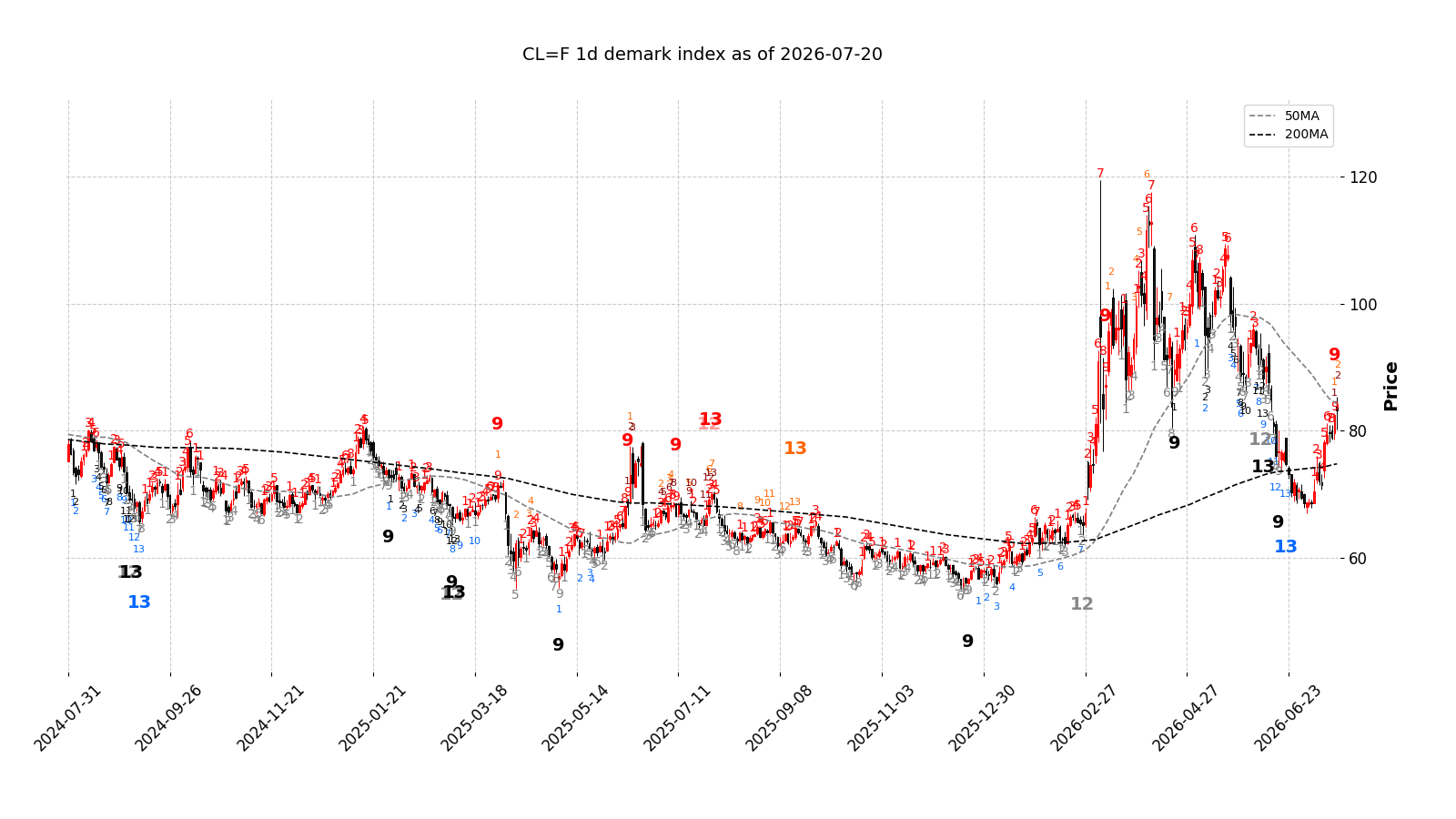
Escalating attacks on energy infrastructure—including the drone strike on Russia’s St. Petersburg oil terminal and reported threats to Middle East shipping—are raising the risk premium in crude. Brent reached $110/bbl, according to the summaries, as traders weighed the potential for further disruption against the prospect of additional Russian diesel exports.
The reported 60-day pause in sanctions on Russian diesel exports could increase available supply and temper prices, but it also adds uncertainty around policy and flows. Refiners are benefiting from reportedly record-high crack spreads, though elevated feedstock costs and any easing in geopolitical risk could quickly challenge margins. No distinct natural-gas market catalyst was reported.
METALS
Industrial Metals
Copper retains a long-term demand tailwind from electrification, renewables and grid investment, but today’s coverage centered on Sandfire Resources’ company outlook rather than a new market-wide demand or supply signal. The warning that costs or weaker demand could pressure copper-linked cash flow is a caution for producers, not evidence of a shift in spot fundamentals.
In steel, ArcelorMittal’s €1.8 billion Dunkirk and Mardyck investment advances low-carbon capacity, including a planned 2-million-tonne-per-year electric arc furnace. The project supports long-term green-steel positioning, but capex execution and returns remain key risks. U.S. steel optimism faces tariff headwinds, while reports of global overcapacity and import pressure weigh on parts of the sector.
Precious Metals
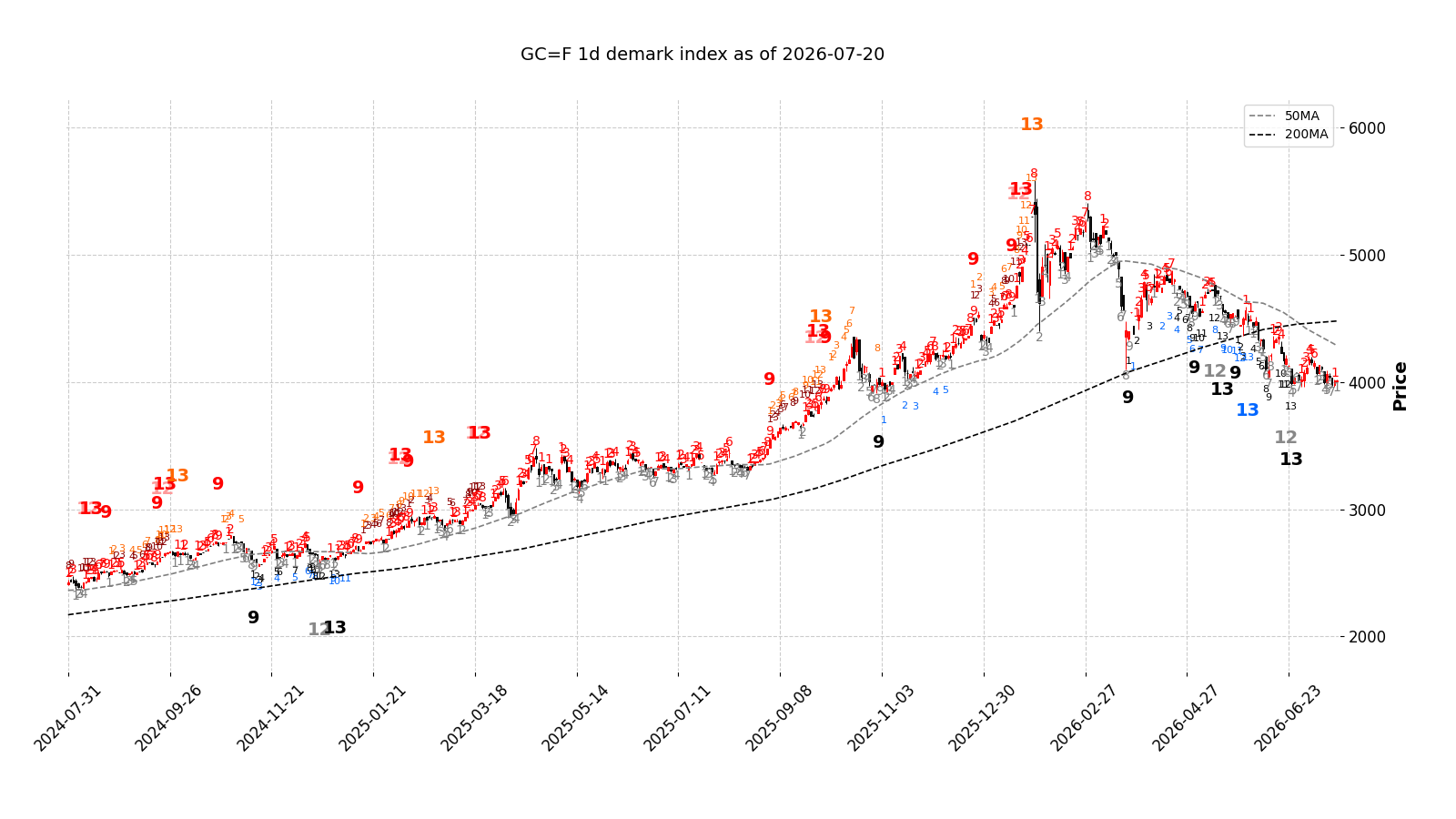
Gold has support from persistent inflation concerns and safe-haven demand, but the cited hawkish Federal Reserve stance remains a headwind for a non-yielding asset. The news did not provide a clear signal on real rates or the dollar, so the balance of macro drivers remains uncertain.
AGRICULTURE
Black Sea shipping disruption continues to redirect Ukrainian grain through the Danube and alternative corridors, increasing the strategic value of flexible export logistics. The reports highlight logistics investment and consolidation, but provide no fresh crop, export-volume or weather data to establish a direct directional signal for corn, wheat or soybeans.
Crop-protection conditions look weaker: FMC faces generic competition, soft demand, inventory resets and pricing pressure, with analysts expecting a prolonged recovery in free cash flow. This points to margin and earnings pressure in agrochemicals, rather than a clear change in underlying crop prices.
MACRO DRIVERS
- Geopolitical risk: Attacks on oil infrastructure and shipping routes are supporting crude’s risk premium.
- Russian flows: The reported pause in diesel sanctions could add supply, partly offsetting disruption risk.
- Inflation and rates: Persistent inflation supports gold as a hedge, while a hawkish Fed stance limits the case for a sustained rally.
- Agriculture demand: Weak agrochemical demand and generic competition signal pressure on farm-input margins; no fresh China-demand or broad manufacturing signal was reported.
POSITIONING IDEAS
- Bullish: Crude oil — maintain a tactical long bias while attacks on energy infrastructure and shipping keep disruption risk elevated. The reported Russian diesel sanctions pause is a material offset and raises the risk of a sharp reversal if flows increase.
- Bearish: Agrochemical equities — FMC’s weak demand, generic competition, inventory resets and delayed cash-flow recovery support a cautious or short bias in the crop-protection segment.
This content is for informational purposes only and does not constitute financial, investment, or trading advice. Always consult a qualified financial professional before making any investment decisions.
Daily Commodity Pulse
COMMODITY OVERVIEW
Geopolitical supply risk is the dominant driver, lifting crude as attacks on shipping near the Strait of Hormuz and strikes on Russian refining infrastructure raise concerns over oil and product flows. The rally is not fully confirmed by fundamentals: inventories are described as stable and Middle Eastern exports are recovering, while natural gas is falling despite colder-weather demand expectations.
ENERGY
Crude oil: Brent has approached $110/bbl and front-month crude posted a sharp weekly gain as markets priced in risks to shipping and Russian refining capacity. U.S. distillate stocks are down 12% year over year, adding support to refined products, and the U.S. plans to release 17 million barrels from the Strategic Petroleum Reserve. However, stable global inventories and recovering Middle Eastern exports temper the shortage narrative, leaving crude vulnerable to a correction if tensions ease.
U.S. policy signals are mixed: a waiver of new Russia-related energy sanctions may reduce compliance and rerouting costs, but it does not remove the risk of renewed sanctions or disruption around Hormuz. The near-term price premium remains driven more by geopolitical risk than by clear evidence of a broad supply-demand deficit.
Natural gas: U.S. natural gas futures fell 3.7% to $3.116/MMBtu despite expectations of colder weather in the Northeast. The move suggests anticipated heating demand is being outweighed by ample supply or broader market concerns; gas is diverging from the strength in crude and refined products.
METALS
Industrial Metals
Aluminum: Alcoa reported a 12.1% year-over-year increase in quarterly production to 649 kt, with the Alumar restart supporting higher output. This is a company-level signal of recovering supply and utilization, not evidence of a broad aluminum demand surge. The company’s ELYSIS low-carbon smelting technology remains a longer-term catalyst, contingent on commercialization.
Steel: Expected EU CBAM implementation and tighter import safeguards in 2026 could support domestic producers by limiting foreign supply. The benefit is prospective, while Salzgitter’s high valuation leaves limited room for delays in policy or weaker demand.
Copper: Black Pine Resources’ Sugarloaf project has regulatory approvals and encouraging surface samples, but its Stage 1 drilling results remain the key test. This is an exploration-stage catalyst, not a near-term change to global copper supply.
Precious Metals
Gold: Rising concerns about U.S. debt costs, inflation, and currency devaluation support gold’s role as a hedge. The news provided no clear signal on the dollar or real rates, so it does not establish a fresh macro-driven price catalyst. Higher input costs and recent earnings weakness also underline margin risks for some miners.
Silver: The supplied market view emphasizes potential structural demand from solar, EVs, electronics, and AI infrastructure. That is a longer-term demand thesis; no new demand or supply data today confirms an immediate market tightening.
AGRICULTURE
No notable grain, crop, weather, or export developments were reported. The main sector news was structural: ICE’s expansion into physically delivered U.S. cattle and hog futures challenges CME’s dominance. Any effect on livestock price discovery or hedging access would depend on whether the new contracts attract sustained liquidity; no immediate change in livestock fundamentals was cited.
MACRO DRIVERS
- Geopolitical risk: Hormuz shipping threats and strikes on Russian energy infrastructure are adding a risk premium to crude and refined products.
- Policy uncertainty: The U.S. Russia-sanctions waiver may ease near-term trade friction, but the possibility of reversal keeps shipping and compliance risks elevated.
- Uneven energy signals: Oil is rallying on disruption fears, while natural gas fell despite colder-weather demand expectations.
- No clear daily signal was provided for the dollar or real rates. Debt and inflation concerns support the longer-term gold hedge narrative, but not a specific rate-driven move today.
POSITIONING IDEAS
- Bullish: Crude oil — geopolitical threats to shipping and Russian refining, alongside lower U.S. distillate stocks, support a near-term long bias. Keep risk tight: prices are already elevated, and stable inventories or de-escalation could unwind the premium quickly.
- Bearish: U.S. natural gas — futures fell despite expected cold-weather demand, indicating that the near-term demand catalyst is not overcoming supply or broader market pressure.
This content is for informational purposes only and does not constitute financial, investment, or trading advice. Always consult a qualified financial professional before making any investment decisions.
Daily Commodity Pulse
COMMODITY OVERVIEW
Geopolitical supply risk and tight fuel inventories are the dominant drivers, keeping oil supported even as reports flag weaker expected demand and potential policy-led supply relief. Metals also retain a firm structural backdrop: reported record prices in Copper and Gold contrast with rising producer costs and uneven execution.
ENERGY
Reported attacks on shipping and energy infrastructure around the Strait of Hormuz and Red Sea have sustained a geopolitical risk premium, with Brent above $100/bbl in the cited coverage. A deep U.S. inventory draw and tight diesel supply added support; the IEA’s commitment to release more than 20 million barrels of diesel may provide some relief, but the market outlook cited keeps diesel tight through 2027.
The rally is not unambiguously demand-led. Coverage points to expected global oil-demand weakness, while possible sanctions relief for Russian and Venezuelan-linked vessels could bring additional barrels to market. The near-term balance remains skewed toward supply risk, but the price premium is vulnerable to demand softness and policy intervention. Record Gulf Coast refining margins also highlight the value accruing downstream as fuel markets tighten. No material natural-gas development was reported.
METALS
Industrial Metals
Copper has a supportive long-term supply story: Vale warned that project delays, rising costs and a shortage of viable deposits are constraining growth, while Freeport-McMoRan maintained production in line with guidance despite Indonesian smelter bottlenecks. The broader commodities coverage cited Copper at $6.93/lb, but that price strength remains exposed to execution and logistics risks in Indonesia.
Aluminum fundamentals remain tight, with reported inventories at 42 days of consumption and Western Australian mine-plan approvals delayed into 2027. Alcoa increased production and restarted its Alumar smelter, but higher carbon and input costs are limiting margin gains; Indonesia’s planned 2027 smelting expansion is a longer-term supply risk.
U.S. Steel has a strong domestic pricing backdrop: hot-rolled coil was reported at a four-year high of $1,255/short ton, up 52% year over year, as tariffs reduced imports and domestic order books remained firm. This supports U.S. producers, though the evidence is company- and region-specific rather than a broad global demand signal. No significant nickel development was reported.
Precious Metals
Gold remains supported by a weaker U.S. dollar, inflation concerns and demand for protection against fiscal and geopolitical uncertainty. Coverage places the metal near record levels, while a prominent investor’s criticism of $12 billion in major-miner buybacks instead of mine investment underscores a longer-term supply concern.
Producer performance is less compelling than the metal: Newmont reported higher all-in sustaining costs and lower production despite elevated gold prices. Silver was more volatile, with futures down 6% in one report despite a weak dollar; company project economics and production growth provide longer-term support, but do not erase the near-term price setback.
MACRO DRIVERS
- Geopolitical risk: Reported attacks on shipping and energy infrastructure are lifting oil’s risk premium and raising the potential cost of disruption.
- Inflation and the dollar: Inflation concerns and a weaker U.S. dollar are supportive of Gold and other real assets, while higher energy prices risk complicating the rate outlook.
- China demand: ZTO’s upcoming results may offer a read on Chinese consumption, but the recovery is described as uneven; there is no fresh, direct industrial-demand signal in today’s coverage.
- Supply and policy: Diesel stock tightness supports energy prices, while proposed sanctions relief and planned future Aluminum capacity could temper supply concerns over time.
POSITIONING IDEAS
- Bullish: Crude oil on shipping and infrastructure risk, tight diesel markets and low inventories; geopolitical developments are the immediate catalyst, though the position carries event risk. Copper also has a constructive structural bias on constrained project pipelines and persistent supply bottlenecks.
- Bearish: Gold miners relative to Gold: rising costs and declining production at Newmont, alongside the industry’s emphasis on buybacks over mine development, point to weaker operating leverage than the metal price alone implies.
This content is for informational purposes only and does not constitute financial, investment, or trading advice. Always consult a qualified financial professional before making any investment decisions.
Daily Commodity Pulse
COMMODITY OVERVIEW
Crude oil dominated the commodity picture, with WTI up 3% to $97.97/bbl, its highest level since September 18, after a sharp U.S. inventory draw. The rally reflects acute supply tightness and geopolitical risk, but large emergency stock releases and limited capacity to restore sanctioned tanker flows underscore how dependent the market is on crisis management.
ENERGY
WTI rose 3% to $97.97/bbl as U.S. crude inventories fell 8.6 million barrels, the largest weekly draw since February, while refinery demand increased. The combination points to a tighter near-term balance and supports front-month crude.
Supply constraints remain central: the shadow fleet is not readily returning to service because of logistical, insurance, and crewing barriers. The IEA has released more than 330 million barrels and pledged another 100 million, highlighting the scale of intervention needed to manage the disruption. That support does not remove the risk of a sharp reversal if inventories rebuild, demand softens, or supply policy changes.
MACRO DRIVERS
- Geopolitical supply risk is sustaining the crude premium, while tanker and logistics constraints limit the market’s ability to replace disrupted barrels.
- Emergency stock releases are cushioning supply tightness, but their scale also signals that underlying market conditions remain strained.
POSITIONING IDEAS
- Bullish: A tactical long in WTI or USO.US is supported by the 8.6-million-barrel U.S. crude draw, rising refinery demand, and constrained supply flows. Treat it as a short-term trade: the rally is vulnerable to inventory replenishment or a shift in supply policy.
This content is for informational purposes only and does not constitute financial, investment, or trading advice. Always consult a qualified financial professional before making any investment decisions.
Daily Commodity Pulse
COMMODITY OVERVIEW
Geopolitical risk and renewed inflation pressure are dominating the commodity tape, lifting oil while higher rate expectations weigh on precious metals. China’s export surge supports the industrial backdrop, but weak domestic demand and lower crude and gas import volumes limit the case for a broad-based demand rally.
ENERGY
Reports cite an 11.1 million-barrel API draw in U.S. crude stocks, a significant bullish signal for near-term oil balances; the EIA report will determine whether the draw is confirmed. Houthi attacks on Saudi energy infrastructure and shipping routes are sustaining a substantial supply-risk premium, with reported prices near $95/bbl for WTI and above $106/bbl for Brent.
The outlook is not uniformly bullish: the IEA reportedly cut its 2026 oil-demand forecast and warned of a prolonged diesel supply crunch. The market is balancing acute disruption risk against a weaker demand outlook; continued attacks or an EIA-confirmed draw would favor crude, while demand deterioration could cap gains.
METALS
Industrial Metals
Copper has the clearest supply-side bullish catalyst. The reported risk of a strike at BHP’s Escondida mine, alongside permitting constraints and potential disruption to sulfuric acid supplies, raises the risk of tighter refined supply. China’s strong export growth offers support to manufacturing-linked demand, but weak domestic consumption tempers the signal.
China’s import growth is cited as supportive for nickel, though concerns about Indonesian production growth, rising ramp-up costs and battery chemistry substitution remain. In aluminum, Alcoa’s smelter restarts point to additional production, while reported Middle East constraints support the tighter-supply narrative; the company-specific acquisition and earnings outlook are not, on their own, evidence of a wider market shortage. U.S. infrastructure investment remains a longer-term demand support for steel, but today’s news provides no direct price or order-flow signal.
Precious Metals
Hotter-than-expected U.S. CPI strengthened the dollar and lifted rate-hike expectations, pressuring gold and silver. Reports put the probability of a Fed hike at 42%; silver fell 6.1% to $55.55/oz, while gold also declined. Higher yields are currently outweighing safe-haven demand, despite persistent geopolitical risk and longer-term central-bank buying support for gold.
AGRICULTURE
There are no meaningful crop, weather, export or balance-sheet updates in today’s agriculture news. Company-level reports point to pressure on ADM’s margins and cash generation, while higher green coffee costs are weighing on Keurig Dr Pepper; neither provides a clear broad-market signal for grains or soft commodities.
MACRO DRIVERS
- Geopolitics: Houthi attacks on Saudi infrastructure and shipping routes are sustaining the oil risk premium and raising freight and insurance risks.
- Rates and dollar: Hotter U.S. CPI has lifted rate-hike expectations and Treasury yields, weighing on gold and especially silver.
- China: Export growth is strong, led by high-tech goods, but weak domestic demand and lower crude and gas import volumes argue against treating the trade data as a broad commodity-demand boom.
- Inflation: Higher energy costs reinforce inflation concerns, creating a feedback loop between oil prices and expectations for tighter monetary policy.
POSITIONING IDEAS
- Bullish: Crude oil — the API-reported 11.1 million-barrel draw and heightened risk to Saudi infrastructure and shipping support a long bias, subject to confirmation in the EIA data and continued scrutiny of weakening demand forecasts.
- Bullish: Copper — the potential Escondida strike and other supply constraints strengthen the case for long exposure, while recognizing that strike timing and duration remain uncertain.
- Bearish: Silver — higher yields, a stronger dollar and rising rate-hike expectations are immediate headwinds; the reported 6.1% decline underscores the metal’s sensitivity to a hawkish repricing.
This content is for informational purposes only and does not constitute financial, investment, or trading advice. Always consult a qualified financial professional before making any investment decisions.
Daily Commodity Pulse
COMMODITY OVERVIEW
Geopolitical supply risk is the dominant theme, with Middle East tensions supporting natural gas and refined-product prices even as crude faces weaker demand signals. The market is split: gas and diesel have a supply-risk tailwind, while OPEC’s lower demand outlook and signs of economic strain temper the crude outlook.
ENERGY
Middle East tensions, reported attacks on Saudi energy infrastructure and disruption risks around the Strait of Hormuz are keeping a supply premium in energy markets. Diesel rose 4.5%, reflecting tighter middle-distillate conditions, but Brent crude declined as traders questioned the durability of political solutions to energy instability.
OPEC’s downward revision to its 2026 demand forecast—attributed to inventory rebuilding rather than stronger consumption—adds a demand-side caution. Higher fuel and freight costs are also squeezing small businesses, raising the risk that sustained price increases could weaken consumption.
Natural gas has the clearest bullish supply signal. European prices have risen amid low storage—reported at 16% below the five-year average—adverse weather and Persian Gulf LNG-flow concerns; Dutch TTF reached its highest level since December 2022, while spot LNG prices have nearly doubled over recent months. Front-month U.S. gas futures gained 3.6% to $3.283/MMBtu, their highest since September 24. The European squeeze supports a global risk premium, though it does not by itself guarantee equivalent gains in U.S. gas.
METALS
Precious Metals
Gold remains supported as a potential safe-haven hedge amid geopolitical tensions, inflation concerns and bond-yield volatility. The news points to GLD’s liquidity and established role as a haven, but provides no specific evidence of today’s gold-price move or ETF flows.
MACRO DRIVERS
- Geopolitical risk: Middle East tensions and potential disruption to LNG and crude flows support a supply-risk premium.
- Demand caution: OPEC’s lower 2026 demand forecast and reported pressure on small businesses temper the outlook for crude consumption.
- Rates and inflation: Bond-yield volatility and inflation concerns underpin gold’s hedge appeal, while higher energy costs risk further squeezing activity.
POSITIONING IDEAS
- Bullish: Natural gas has the strongest near-term support from low European storage, weather risk and concerns over Persian Gulf LNG flows. Treat exposure through UNG cautiously: the European tightness is not a direct measure of U.S. supply-demand balance.
- Bearish: Crude oil has a weaker demand backdrop, with OPEC’s lower forecast and signs of fuel-cost pressure on businesses. This is a selective, conditional short bias: Strait of Hormuz disruption or further attacks on infrastructure could quickly overwhelm the demand signal.
This content is for informational purposes only and does not constitute financial, investment, or trading advice. Always consult a qualified financial professional before making any investment decisions.
Daily Commodity Pulse
COMMODITY OVERVIEW
Geopolitical supply risk is the dominant theme, with Middle East shipping threats and continued attacks on Ukrainian infrastructure supporting crude and wheat risk premiums. Against that backdrop, fundamentals are diverging: the USDA’s larger corn crop estimate is bearish, while tight wheat supply and strong aluminum pricing offer support in their respective markets.
ENERGY
Crude oil: Middle East tensions—including threats to shipping around the Strait of Hormuz and reported attacks on commercial vessels—are adding a risk premium to oil. The summaries cite physical Brent near $150/bbl against futures around $105/bbl; if that gap is sustained, it would signal acute tightness in prompt physical supply, though the figures should be treated cautiously. The proposed Russian diesel supply to the U.S. is unlikely to materially alter balances: the cited volume is small relative to U.S. consumption, and Russian refining capacity remains constrained.
Natural gas: Warmer weather has reduced near-term U.S. heating demand and weighed on futures. In Europe, storage at a reported 73% and colder forecasts leave prices exposed to renewed upside if shipping or supply disruptions intensify.
METALS
Industrial Metals
Aluminum has the clearest positive signal. Alcoa’s outlook points to sharply higher realized prices and strong aluminum sales, while alumina pricing and shipments remain weak—a metal-specific strength, not evidence of a broad industrial recovery. Steel-sector updates are mixed: construction demand and margins support some producers, but earnings uncertainty and company-specific risks limit the signal. The summaries provide no actionable new copper or nickel balance data.
Precious Metals
Gold and silver face near-term macro headwinds from a stronger dollar and hawkish Fed expectations. Geopolitical risk offers some safe-haven support, but it has not overcome those pressures in the supplied market signals. Silver is more vulnerable to the combination of weak physical-demand commentary and potential ETF outflows.
AGRICULTURE
Corn: The USDA raised its 2026–27 production forecast by 234 million bushels to 16 billion, with yield at 181.2 bushels per acre versus a 177.8 consensus. The larger projected crop raises downside risk if yields are realized. Futures rebounded after the initial selloff, but the summaries attribute that move mainly to technical positioning and tender activity rather than stronger fundamentals; fund longs also remain elevated.
Wheat: CBOT wheat rose 0.3% to $6.72¾/bushel despite a modest increase in the U.S. supply forecast. Projected production remains the lowest since 1970, while Russian attacks on Ukrainian energy and logistics infrastructure keep export-disruption risk elevated.
MACRO DRIVERS
- Geopolitical risk: Middle East shipping threats support crude’s risk premium; attacks on Ukrainian infrastructure raise grain-export concerns.
- U.S. dollar and rates: A stronger dollar and hawkish Fed expectations weigh on gold and silver.
- Crop outlook: The USDA’s higher corn yield and production estimates shift the balance toward greater supply and potential price pressure.
- Weather: Warmer U.S. conditions weaken near-term natural-gas heating demand; colder European forecasts remain a potential offset to ample storage.
POSITIONING IDEAS
-
Bullish
- Crude oil: A tactical long bias is supported by shipping and chokepoint risks, with the reported physical Brent premium pointing to prompt-market tightness if confirmed.
- Wheat: Ukrainian infrastructure risk and a historically low U.S. production estimate support a long bias, though headlines may drive sharp reversals.
- Aluminum: Strong realized-price and sales expectations support exposure to aluminum, while weakness in alumina argues against treating this as a broad metals rally.
-
Bearish
- Corn: The USDA’s above-consensus yield and production upgrade creates downside risk if subsequent crop data validates the forecast.
- U.S. natural gas: Warmer weather has reduced heating demand and pressured futures; the view is vulnerable to a shift in forecasts.
- Gold and silver: Stronger-dollar and hawkish-rate signals favor a cautious or short bias near term, despite geopolitical safe-haven support.
This content is for informational purposes only and does not constitute financial, investment, or trading advice. Always consult a qualified financial professional before making any investment decisions.
Daily Commodity Pulse
COMMODITY OVERVIEW
Geopolitical risk is the clearest near-term commodity driver: escalation around the Strait of Hormuz and attacks in Riyadh are supporting an oil risk premium, though no direct production or export disruption is reported. Elsewhere, the news points to longer-term electrification demand for copper and grid steel, while gold is drawing institutional interest; there are no fresh crop, export, or weather signals.
ENERGY
Oil is reported above $100/bbl, with Middle East tensions and the Riyadh airport attacks adding volatility and a near-term risk premium. The attacks have not disrupted output or exports, so the support is currently fear of a supply interruption rather than a confirmed loss of barrels.
Hormuz risk is feeding through to marine war-risk premiums and freight costs. Separately, uncertainty around U.S. policy toward Ukraine, Russian refinery strikes, and sanctions could shift expectations for Russian fuel flows. No specific OPEC+ production development or natural-gas catalyst is reported.
METALS
Industrial Metals
Copper’s long-term demand case remains tied to electrification, renewables, and grid investment, but the news provides no new price, inventory, or physical-market signal. Cleveland-Cliffs’ planned $200 million expansion of grain-oriented electrical steel capacity targets transformer and grid demand, with production not expected until 2028; this is a strategic investment signal, not an immediate steel supply change.
Precious Metals
Gold is supported by reported hedge-fund positioning and institutional accumulation, including a large purchase of Agnico Eagle Mines (AEM) shares. The summaries provide no fresh signal on real rates or the U.S. dollar, so the case is positioning-led rather than tied to a reported macro move. Higher costs and operational issues at AEM remain risks for gold-equity margins.
AGRICULTURE
ADM’s earnings recovery is the strongest company-level agriculture signal: Ag Services and Oilseeds profit rose 129%, while Nutrition operating profit increased 51%, supported by processing margins, biofuel mandates, and elevated energy prices. This favors integrated processors, but it does not establish a broad grain-price rally; no crop, weather, or export data are reported.
Deere’s agricultural equipment cycle remains weak, with Production & Precision Agriculture sales expected to fall 10% and operating profit down 9% in its primary ag segment. That is a caution on farm-capital spending, not a direct signal for grain prices.
MACRO DRIVERS
- Geopolitical risk: Strait of Hormuz escalation and attacks in Riyadh support oil volatility and marine risk pricing, without a confirmed supply outage.
- Biofuel policy and energy costs: These are supporting ADM’s processing margins and linking energy conditions to oilseed demand.
- Electrification investment: Grid modernization and renewables underpin the longer-term copper and specialty-steel demand narrative; the reports offer no new near-term China demand data.
- Gold positioning: Institutional and hedge-fund interest is a supportive signal, but no dollar or real-rate move is cited.
POSITIONING IDEAS
- Bullish — Oil: Near-term long bias in WTI is supported by heightened Middle East risk and the potential for a supply disruption, while recognizing that no barrels are currently reported offline.
- Bullish — Gold: Institutional accumulation and increased hedge-fund exposure support a constructive bias; the absence of fresh real-rate or dollar confirmation argues against treating it as a confirmed macro breakout.
- Bullish — Oilseed processors: ADM has earnings and margin momentum tied to biofuel demand and elevated energy prices. This is an agribusiness equity view, not a direct long in grains.
This content is for informational purposes only and does not constitute financial, investment, or trading advice. Always consult a qualified financial professional before making any investment decisions.
Daily Commodity Pulse
COMMODITY OVERVIEW
Today’s signals are more about risk premia and policy-shaped supply than a broad demand acceleration. Maritime disruption risks support an energy-security premium, while central-bank interest in gold and prospective EU steel supply constraints offer selective bullish catalysts; China’s employment data are resilient but do not establish a stronger near-term commodity-demand trend.
ENERGY
The energy summary flags tanker attacks and strain around the Strait of Hormuz and Red Sea, raising shipping and insurance risk. It does not confirm a current production outage or provide fresh crude or gas balance data, so the scale of any price premium is unclear. No meaningful current natural-gas-specific catalyst is reported.
METALS
Industrial Metals
China created 10.52 million urban jobs in the first nine months of 2026 and reported 5.2% average unemployment. That resilience is supportive context, not a direct signal of stronger metals consumption; the remaining 1.48 million jobs needed to meet the annual target could prompt further policy support if momentum weakens.
In steel, UBS’s bullish ArcelorMittal (MT) call rests on tightening EU import quotas and expected supply contraction—not a demand rebound. That creates a tactical supply-side positive for European steel, though trade-policy retaliation and capital-spending risks remain. Southern Copper (SCCO) reported strong earnings and a large expansion plan, but its 31.2x P/E leaves little room for project delays or weaker copper prices; this is an equity-valuation signal, not fresh evidence of a tighter copper market.
Precious Metals
Gold has structural support from a survey showing a record 45% of central banks plan to increase reserves, alongside persistent inflation, debt and geopolitical concerns. The source provides no fresh real-rate or dollar signal, so the immediate price catalyst is less clear than the longer-term reserve-diversification theme. No meaningful silver news was reported.
MACRO DRIVERS
- Geopolitical shipping risk may sustain an energy-security premium, but the feed does not confirm a current supply outage.
- China’s labor-market resilience is constructive background for demand; the employment-target gap leaves scope for policy support, but no new commodity-specific stimulus is reported.
- Central-bank gold demand reinforces diversification away from conventional reserves amid inflation and debt concerns.
- EU trade policy could tighten steel availability; the bullish case depends on quotas constraining imports rather than on stronger end-use demand.
POSITIONING IDEAS
- Bullish: Gold — central-bank reserve intentions and macro-hedging demand support a structural long bias.
- Bullish: European steel — EU import-quota tightening offers a tactical supply-side catalyst; ArcelorMittal (MT) is a company-level expression, with policy and capex risks.
- Bearish: Southern Copper (SCCO) — valuation and execution risk argue against chasing the equity’s copper-growth premium; this is not, on its own, a bearish call on copper futures.
This content is for informational purposes only and does not constitute financial, investment, or trading advice. Always consult a qualified financial professional before making any investment decisions.
Daily Commodity Pulse
COMMODITY OVERVIEW
Geopolitical de-escalation is the clearest near-term cross-commodity driver: President Trump’s statement that the U.S. would not attack Iran before the midterms eased risk appetite concerns and pushed oil lower. Physical risks remain, including Gulf Coast storm disruption to U.S. production and continued regional tensions, while crop-yield upgrades pressure grains and gold attracts dip-buying despite higher yields and a firmer dollar.
ENERGY
Crude’s geopolitical risk premium eased after Trump ruled out a U.S. attack on Iran before the midterms, weighing on prices. The move is not a full clearance of supply risk: Gulf Coast storm disruption and continued tension around the Strait of Hormuz and attacks on Saudi Arabia remain potential sources of volatility.
The proposed Russian diesel supply to the U.S. offers no credible material change to crude balances; the reported volumes are small relative to U.S. trade flows, and delivery faces major obstacles. The reports provide no meaningful new natural gas price or balance signal. AI data-center power demand and LNG infrastructure needs remain structural themes, but not a clear day-trading catalyst in today’s news.
METALS
Industrial Metals
Long-term supply and strategic-security themes support copper, but today’s reports offer no immediate spot-market catalyst. Miners are emphasizing expansion and exploration: Barrick is promoting copper as a growth area, K92 Mining plans a larger processing plant and copper-gold development, and Coyote Copper secured a drill permit in Arizona. These are project and company catalysts; delivery and execution remain the key tests.
U.S. efforts to secure domestic tungsten supply—including a reported $2 billion purchase order and restrictions on selected imports from 2027—point to a policy-driven shift toward supply-chain security. This could support investment in non-Chinese supply, though it does not establish an immediate shortage in the physical market.
Potash has a constructive long-term demand outlook: BHP projects annual growth of 2%–3% and a possible global supply deficit by 2035. Its Jansen project could add significant capacity, so the same expansion that validates the demand thesis may also temper future scarcity.
Precious Metals
Gold held firm around the $4,000/oz area and recovered toward $4,170 in the cited reports, with ETF inflows and dip-buying providing support. That resilience stands out against higher Treasury yields and a stronger dollar; persistent monetary and fiscal concerns appear to be sustaining safe-haven demand. UBS also favors select gold miners if prices remain above $4,000, but the reports do not establish a fresh price catalyst for the broader sector.
AGRICULTURE
Corn and soybeans face downside pressure after USDA yield forecasts were raised, reinforcing expectations of greater supply. Lower crop prices are also squeezing farm income and weighing on agricultural-equipment demand; the FTC–USDA antitrust probe adds a separate overhang for the sector. No meaningful new wheat or soft-commodity supply signals were reported.
MACRO DRIVERS
- Geopolitics: Reduced near-term U.S.–Iran escalation risk trimmed oil’s risk premium, but Gulf supply and regional security risks remain.
- U.S. dollar and rates: A stronger dollar and higher Treasury yields are headwinds for gold, making its resilience and ETF inflows notable.
- Crop supply: Higher USDA yield estimates are bearish for corn and soybeans and weaken farm-income expectations.
- Structural demand and policy: AI power needs support the long-run case for energy infrastructure, while U.S. supply-chain policy is elevating tungsten’s strategic importance.
POSITIONING IDEAS
- Bullish: Gold on persistent ETF inflows and buying near $4,000/oz despite higher yields and a stronger dollar. This is a supported bias, though the near-term macro headwinds argue for disciplined risk limits.
- Bullish: Potash as a long-term theme, supported by BHP’s projected 2%–3% annual demand growth and potential supply deficit by 2035; this is a structural view, not an immediate trading catalyst.
- Bearish: Corn and soybeans on upgraded USDA yield forecasts, which raise expected supply and pressure crop prices.
- Bearish: Crude oil tactically on the reduction in near-term Iran escalation risk. Gulf Coast disruption and regional tensions could quickly reverse the move.
This content is for informational purposes only and does not constitute financial, investment, or trading advice. Always consult a qualified financial professional before making any investment decisions.